Gallstone Surgery in Chandigarh: 5 Hidden Risks of Ignoring It!
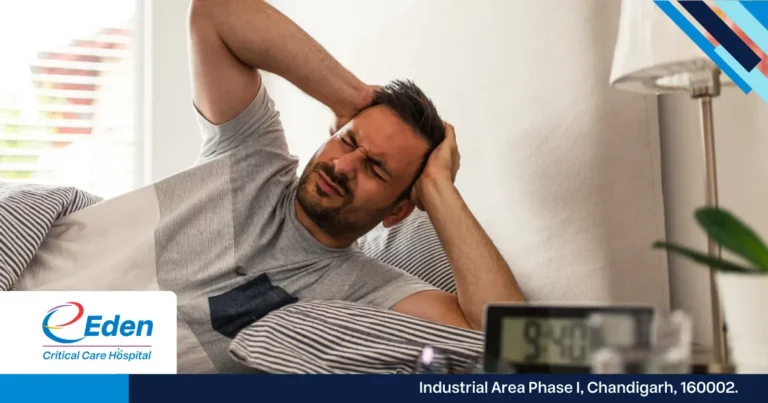
You felt it again, didn’t you? That sharp, twisting pain in your upper belly that shoots to your back like a silent alarm. It vanishes just as quickly, but each time it returns, it hits harder. If you’ve brushed it off thinking it’s just gas or something you ate, think again.
Here’s the cold truth. Those silent symptoms could be gallstones. Ignoring them might not only cost you money, but it could also compromise your health.
Gallstones don’t always scream for attention. But when they do, it’s usually too late. One emergency room visit, a night of unbearable pain, and suddenly you’re rushed into surgery you weren’t ready for. Even worse, complications that could have been avoided with timely care.
In this guide, I’ll walk you through the five hidden risks of delaying gallstone surgery. You’ll learn what the surgery involves, what recovery looks like, and why Eden Hospital in Chandigarh is the smart choice for anyone who wants expert care before things spiral out of control.
What Are Gallstones and Why Do They Form?

Your gallbladder is a small, pear-shaped organ tucked beneath your liver. Its main job? To store and release bile, a digestive fluid that helps break down fats. Think of it as a backup tank that kicks in when you eat something rich or oily.
So, What Causes Gallstones?
Gallstones are hardened deposits that form when substances in bile, like cholesterol, bile salts, or bilirubin, get imbalanced. Over time, these elements clump together into stones. Some are as small as a grain of sand. Others can grow to the size of a golf ball.
Now here’s the kicker: many people don’t even know they have them until one blocks a bile duct and causes sharp pain, nausea, or vomiting. That’s when the trouble begins.
Symptoms You Shouldn’t Ignore
If you’ve felt any of the following more than once, it’s time to stop guessing:
- Sudden, intense pain in the upper right abdomen or back
- Nausea or vomiting after eating fatty foods
- Bloating, indigestion, or gas that feels more intense than usual
- Fever or chills (which could indicate infection)
These symptoms are your body’s early warning signs. Ignoring them could lead to complications like gallbladder infection, pancreatitis, or bile duct blockage, all of which can be serious and even life-threatening if left untreated.
Is Surgery the Only Option?

It’s a fair question. When people hear the word “surgery,” their first instinct is to look for alternatives. And yes, in very specific cases, non-surgical options do exist.
Some doctors might suggest medications like ursodiol to dissolve cholesterol-based stones. But here’s the reality:
- They take months or even years to work
- They only help with certain types of stones
- Gallstones often come back after stopping the meds
As for diet, while avoiding fatty foods can reduce flare-ups, it doesn’t get rid of the stones themselves. You’re just managing the symptoms, not solving the problem.
When Does Surgery Become Non-Negotiable?
If you’ve had more than one gallstone attack, or if stones are blocking bile flow, then surgery isn’t just a choice, it’s a must. Doctors call it a laparoscopic cholecystectomy, and it’s the gold standard for a reason. It removes the gallbladder entirely, eliminating the root of the issue.
Surgery becomes urgent if:
- The pain is frequent or severe
- Is there any sign of infection or fever
- Scans show stones in the bile duct
- Your gallbladder is inflamed or swollen
Delaying at this point only increases the risk of complications.
Risks of Delaying Gallstone Treatment
This is where many people go wrong. They wait, hoping the pain will pass, not realizing what’s brewing inside.
Here’s what ignoring gallstones can lead to:
- Acute Cholecystitis: Sudden inflammation that may require emergency surgery
- Pancreatitis: Life-threatening inflammation of the pancreas
- Gallbladder Rupture: A medical emergency that can spread infection
- Sepsis: If infection spreads to the bloodstream, it can turn fatal
Bottom line? Surgery might sound scary, but waiting can be far more dangerous.
What to Expect Before & After Gallstone Surgery

The moment you and your doctor decide surgery is the best path, things move quickly. But don’t worry, it’s not as intimidating as it sounds. You’ll undergo a few routine blood tests and an ultrasound or CT scan to confirm the diagnosis.
Mentally, it’s important to shift from fear to confidence. Modern laparoscopic surgery is minimally invasive. That means smaller cuts, less pain, and a faster recovery. Most patients are home the same day.
Before surgery:
- You’ll likely be asked to fast for at least 6 hours
- Your doctor will review your medications (some might need to be paused)
- You’ll receive anesthesia you’ll sleep through the entire procedure
The Day of Surgery: What Really Happens

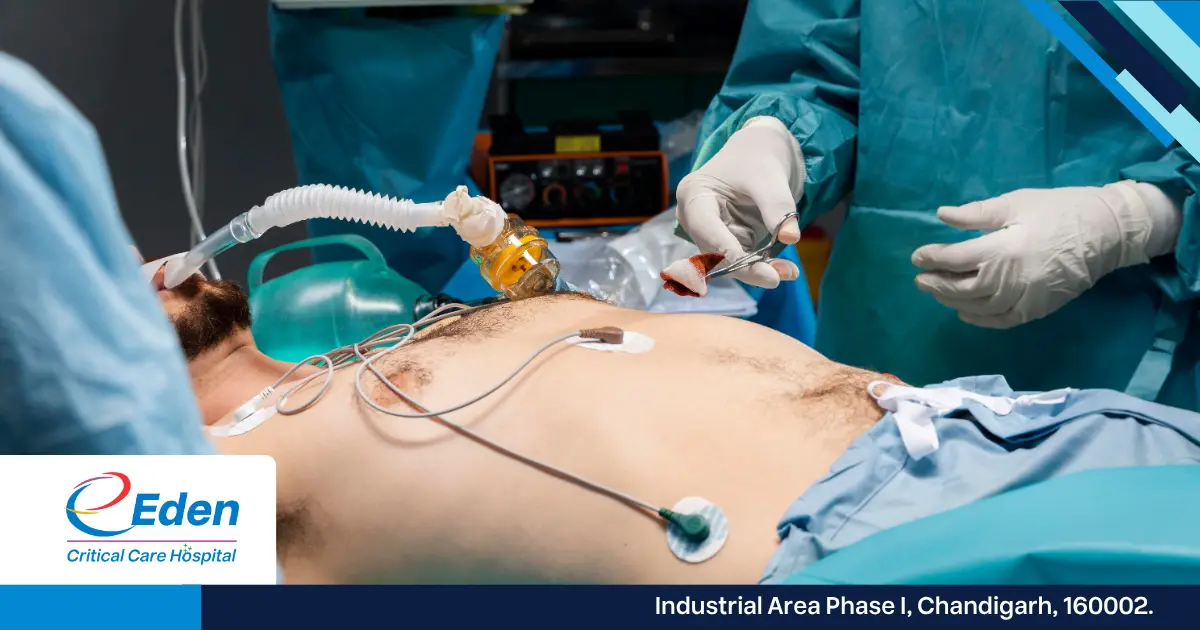
Gallbladder removal typically takes around 30 to 60 minutes. At Eden Hospital, we use laparoscopic techniques, which involve 3 to 4 tiny incisions, not large cuts. A camera guides the surgeon to safely remove the gallbladder with precision.
You wake up in a recovery room. Most patients experience mild discomfort, but it’s manageable with basic painkillers.
Within a few hours:
- You’ll be walking around (yes, really)
- You can drink water and eat light foods
- You’re usually discharged the same day or the next morning
Post-Surgery Recovery: Timeline, Care Tips, Diet
The first week post-surgery is crucial. You might feel tired, sore, or bloated, all completely normal.
Here’s a realistic timeline:
- Day 1–3: Rest, light walking, soft meals
- Day 4–7: Back to light activities
- Week 2–3: Resume work if it’s not physically intense
- Week 4: Back to normal with minor diet changes
Some tips for smoother recovery:
- Eat smaller, low-fat meals to help digestion
- Avoid lifting heavy objects for 2 weeks
- Stay active with short walks to prevent blood clots
At Eden Hospital, you’ll also receive a personalized post-surgery diet and recovery plan to help your body bounce back quickly and safely.
Possible Complications and How Rare They Really Are

Every surgery comes with risks, but here’s the truth you won’t hear often enough: gallstone surgery is one of the safest abdominal procedures when performed by experienced hands.
At Eden Hospital, we follow globally standardized protocols with advanced laparoscopic systems. That means fewer complications, faster recovery, and better outcomes.
Still, it’s important to be aware of potential risks:
- Infection at the incision sites
- Bleeding (though rare with laparoscopy)
- Bile leakage due to injury to the bile ducts
- Blood clots in extremely rare cases
- Injury to nearby organs like the liver or intestines
Here’s the good news:
With Eden’s team of highly trained surgeons, complication rates are well below 1%, thanks to precision tools, sterile technique, and pre-op screening that minimizes surprises.
When Should You Call the Doctor Post-Surgery?
Even after a successful surgery, your body might send signals if something’s off. These are rare, but if you experience any of the following, call your surgeon immediately:
- Persistent fever above 101°F
- Swelling or pus at the incision site
- Severe abdominal pain that worsens
- Yellowing of eyes or skin (a sign of bile duct issues)
- Nausea or vomiting that doesn’t go away
Remember, early detection is key, and Eden’s follow-up care ensures you’re not navigating recovery alone.
Lifestyle Changes After Gallstone Surgery

After your gallbladder is removed, your body needs a little time to adjust, especially when it comes to digesting fats. But the good news is, with a few smart shifts in your routine, you’ll feel better than ever.
What to Focus On After Surgery:
- Eat smaller, low-fat meals to reduce digestive load
- Avoid fried foods, red meat, and heavy dairy
- Drink plenty of water to support bile flow
- Add fiber-rich foods like fruits, veggies, and oats
- Limit alcohol and caffeine during early recovery
- Include probiotics for gut balance
- Get light daily movement to aid digestion
Most people go back to their normal life within 2–3 weeks, just with healthier habits in place.
Choosing the Right Hospital in Chandigarh for Gallstone Surgery
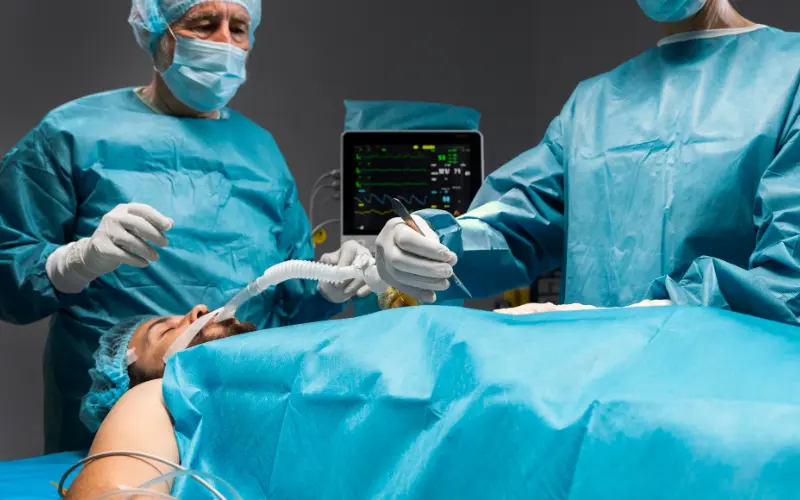
Gallstone surgery might be routine, but where you get it done can make all the difference. From surgical expertise to post-op care, the right hospital ensures a smooth, safe, and stress-free experience.
Why Eden Hospital is a Trusted Choice:
- Advanced Laparoscopic Setup for minimal pain and faster recovery
- Highly Experienced Surgeons with 1000+ successful gallbladder surgeries
- Personalized Care Plans tailored for each patient’s needs
- Seamless Insurance Assistance to simplify the paperwork
- Fast Discharge & Follow-Up Support for peace of mind post-surgery
- Clean, Hygienic Facility with 24/7 emergency care available
At Eden, it’s not just about surgery; it’s about delivering complete care from consultation to recovery.
Frequently Asked Questions:
Is gallbladder removal permanent?
Yes. Gallbladder removal is a permanent procedure, but it’s also a one-time fix. Once removed, the stones can’t come back because the source is gone.
How much does gallstone surgery cost in Chandigarh?
Costs vary depending on your condition and hospital facilities. Eden Hospital offers insurance assistance and transparent pricing to make treatment accessible.
Is laparoscopic surgery painful?
Not during the procedure. You’ll be under anesthesia. Post-surgery, most patients experience only mild soreness that fades in a few days with basic medication.
Can gallstones return after surgery?
If your gallbladder is removed, no, the stones can’t return. But if you only take medications or delay treatment, they often do come back, sometimes worse.
How soon can I return to work after surgery?
Most people return to desk jobs within 7–10 days. If your work is physically demanding, your doctor may recommend 2–3 weeks of rest before resuming.
Conclusion
Gallstones may seem harmless at first, just a little discomfort here and there. But the longer you wait, the bigger the risks grow. From sudden flare-ups to life-threatening complications, untreated gallstones are a ticking time bomb.
The smart move? Take control before things spiral. Gallstone surgery is safe, fast, and life-changing, especially when done at the right place.
Eden Hospital in Chandigarh offers expert surgical care, compassionate support, and a proven track record. Whether you’re already diagnosed or just starting to feel the symptoms, this is the sign you’ve been waiting for.