COPD Symptoms & Triggers: 8 Life-Changing Habits for Better Breathing!
Ever felt out of breath after climbing a few stairs? Or had a cough that just won’t go away? Most people brush it off as getting older or blame the weather. But sometimes, these small signs point to something bigger.
COPD, or Chronic Obstructive Pulmonary Disease, often starts slowly. You may not even notice it at first. But over time, it can make everyday tasks feel exhausting.
I’ve met many people who didn’t realize they had COPD until their symptoms got worse. That’s why catching it early and making a few lifestyle changes can make a huge difference.
In this post, we’ll talk about what COPD is, how to spot it early, common things that make it worse, and 8 simple habits that can help you breathe better and feel more in control.
Let’s get started.
What is COPD?
COPD, or Chronic Obstructive Pulmonary Disease, is a long-term lung condition that slowly makes breathing more difficult. Many people don’t realize they have it until the symptoms start affecting their daily life.
Here’s what you need to know:
- It’s a progressive disease, meaning it gets worse over time.
- Two main forms: chronic bronchitis (constant cough with mucus) and emphysema (damage to the lung’s air sacs).
- Breathing becomes harder because airflow is blocked or restricted.
- Early symptoms often go unnoticed, like shortness of breath or mild coughing.
- Most common in smokers, but can also affect non-smokers exposed to air pollution or workplace fumes.
- Not curable, but it can be managed with the right care and habits.
Understanding this condition is the first step to managing it and living a fuller life.
Early Signs and Symptoms You Shouldn’t Ignore
COPD doesn’t show up overnight. It sneaks in slowly, which is why many people don’t take action until it becomes serious. But catching it early can make all the difference.
Watch out for these common signs:
- Shortness of breath, especially during simple tasks like walking or climbing stairs.
- Persistent cough that lingers for weeks or months.
- Coughing up mucus more often than usual, even if you’re not sick.
- Wheezing or a whistling sound when breathing.
- Feeling tired all the time, even after a good night’s sleep.
- Tightness in the chest, especially in the morning or after physical activity.
- Frequent respiratory infections, like colds that turn into chest problems.
If you notice one or more of these symptoms sticking around, don’t wait it out. The earlier you get checked, the better your chances of slowing it down.
COPD Triggers You Might Be Living With Right Now

Sometimes, it’s not just the disease it’s the environment around you making things worse. Many people live with COPD triggers every single day without realizing it.
Here are some common ones:
- Smoking – The number one cause. Even secondhand smoke can make things worse.
- Air pollution – Outdoor pollution, vehicle smoke, and industrial fumes can irritate your lungs.
- Indoor air quality – Dust, pet dander, strong cleaning products, and mold can all trigger flare-ups.
- Cold or dry weather – Sudden changes in weather can tighten airways and worsen symptoms.
- Strong smells – Perfumes, paint, or even certain cooking fumes can cause breathing trouble.
- Stress and anxiety – These don’t just affect your mind; they can actually make it harder to breathe.
The goal isn’t to panic, but to be aware. Avoiding or managing these triggers can help reduce symptoms and keep your lungs working better, longer.
Is It COPD or Asthma? Know the Key Differences
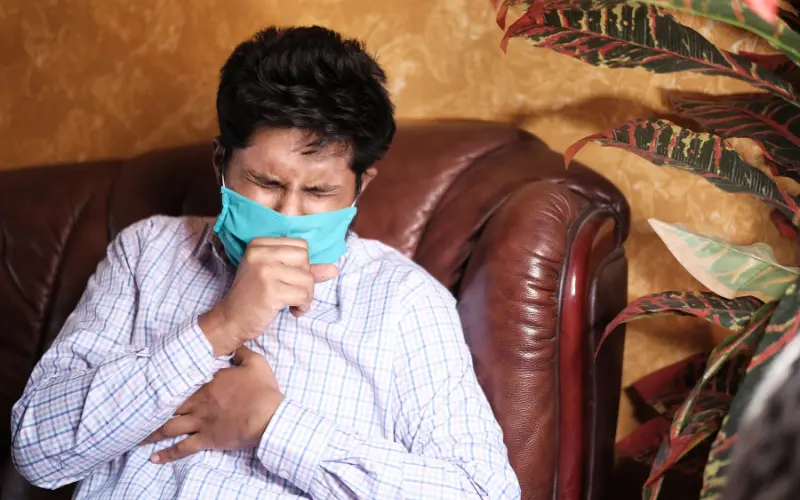
It’s common to confuse COPD with asthma. They both affect the lungs and share symptoms like coughing and breathlessness. But they aren’t the same condition.
Here’s how they differ:
Age Factor
- Asthma often starts in childhood.
- COPD usually appears after age 40.
Main Cause
- Asthma is usually triggered by allergies or genetics.
- COPD is caused by long-term exposure to harmful particles mainly smoking.
Symptom Pattern
- Asthma symptoms come and go, often triggered by exercise, dust, or weather.
- COPD symptoms are constant and gradually get worse.
Reversibility
- Asthma can often be controlled or reversed with treatment.
- COPD is not reversible but can be managed to slow progression.
Lung Damage
- Asthma doesn’t permanently damage lungs (unless severe and untreated).
- COPD causes lasting damage to the lungs over time.
If you or someone you know is dealing with breathing problems, don’t guess. Get a proper diagnosis because the treatment path is different for each.
Is COPD Curable or Reversible?
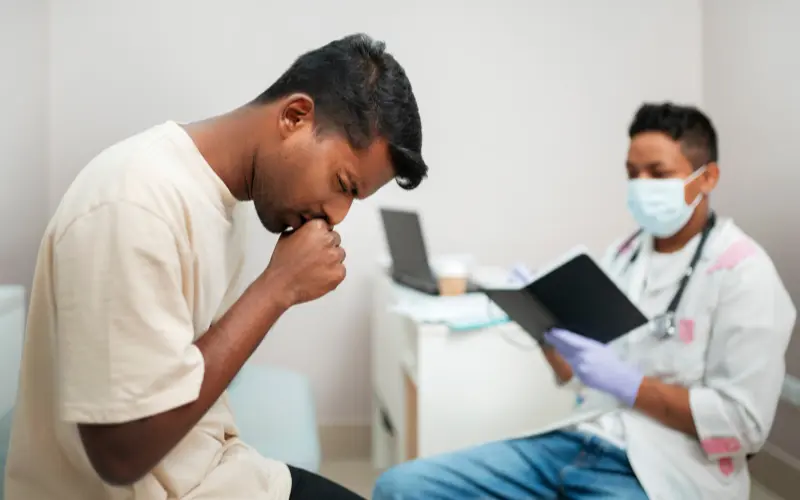
This is one of the most common and important questions people ask when they hear the word COPD. Let’s break it down simply.
The Reality of COPD
COPD is not curable. The damage it causes to your lungs can’t be reversed.
But that doesn’t mean nothing can be done. You can take control.
Here’s what helps:
- Early diagnosis – The sooner it’s caught, the better the outcome.
- Quitting smoking – This is the most powerful step you can take.
- Avoiding triggers – Stay away from smoke, dust, and pollution.
- Using prescribed inhalers or medications – These ease breathing and reduce flare-ups.
- Pulmonary rehabilitation – A mix of exercise, education, and breathing therapy.
- Regular checkups – Helps monitor your lung function and catch issues early.
You may not be able to reverse COPD, but you can slow it down and still live a full, active life.
How Age Influences COPD Risk and Progression
As we get older, our lungs naturally lose strength. For some, this makes it easier for conditions like COPD to take hold or get worse faster.
Why Age Matters in COPD
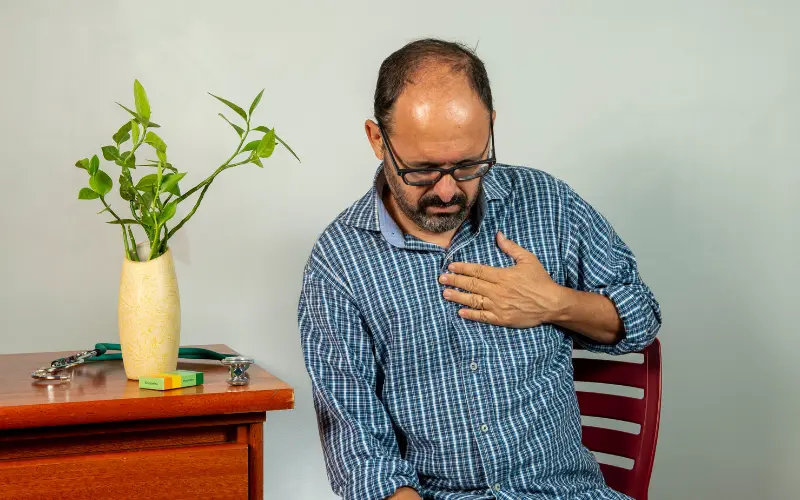
COPD is more common in people over 40, especially those with a history of smoking or exposure to pollutants.
It doesn’t mean younger people can’t get it but age increases both the risk and the impact.
Here’s what changes with age:
- Weaker lung function – Lungs lose elasticity, making breathing harder.
- Slower immune response – Older bodies take longer to recover from infections.
- Longer exposure time – Years of smoking or pollution build up damage.
- Other health issues – Heart problems, diabetes, or arthritis can complicate COPD.
Getting older doesn’t mean you’re helpless it just means you need to be more proactive about lung health.
Who Is More at Risk of Developing COPD?
COPD doesn’t just show up out of nowhere it builds up over time, often silently. Some people are far more likely to develop it than others, even if they don’t realize it yet.
Smoking and Passive Smoking’s Effect on COPD

Smoking is the leading cause of COPD. But here’s what most people ignore: even if you don’t smoke, you’re not safe if you’re around it often.
Here’s who faces the highest risk:
- Smokers – Current or former smokers are the most affected.
- Passive smokers – Breathing in secondhand smoke regularly can damage your lungs too.
- People over 40 – Risk increases with age, especially with long-term exposure.
- Those with frequent exposure to dust, fumes, or chemicals – This includes factory workers, farmers, and cooks.
- People with a family history of lung disease – Genetics can play a role.
- Anyone with long-term asthma – Especially if it’s poorly managed.
Just because you’ve never held a cigarette doesn’t mean you’re safe. If you’ve lived or worked around smoke, your lungs might still be at risk.
Lifestyle Choices That Can Improve (or Worsen) COPD
Living with COPD doesn’t mean giving up it means making smarter daily choices. The way you eat, move, breathe, and rest can either help your lungs or make things harder.
Small Changes, Big Impact
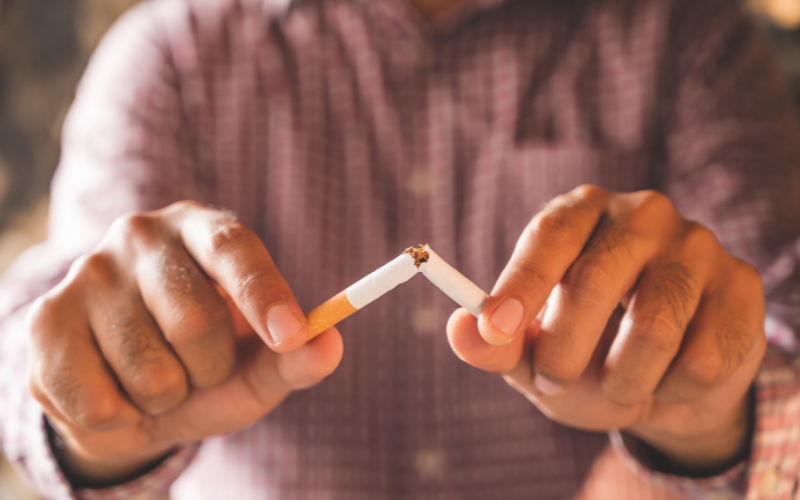
Even minor lifestyle adjustments can reduce flare-ups, improve breathing, and boost your energy levels.
Here’s what helps or hurts:
- Quit smoking completely – It’s never too late to stop. Even cutting down helps.
- Eat a balanced diet – Anti-inflammatory foods like fruits, vegetables, and omega-3s support lung health.
- Avoid polluted or dusty places – Use masks or air purifiers if needed.
- Get light physical activity – Walking or breathing exercises strengthen your lungs.
- Manage stress – Anxiety can worsen breathlessness. Practice relaxation techniques.
- Get enough sleep – Your lungs work hard—let them rest and recover.
- Stay hydrated – Fluids help thin mucus, making it easier to breathe.
You don’t have to overhaul your life overnight. Start with one change, and build from there.
When to See a Doctor? Don’t Wait Too Long
Many people ignore early COPD symptoms, thinking it’s just part of getting older or being out of shape. That delay can be risky.
Your Body Sends Warnings
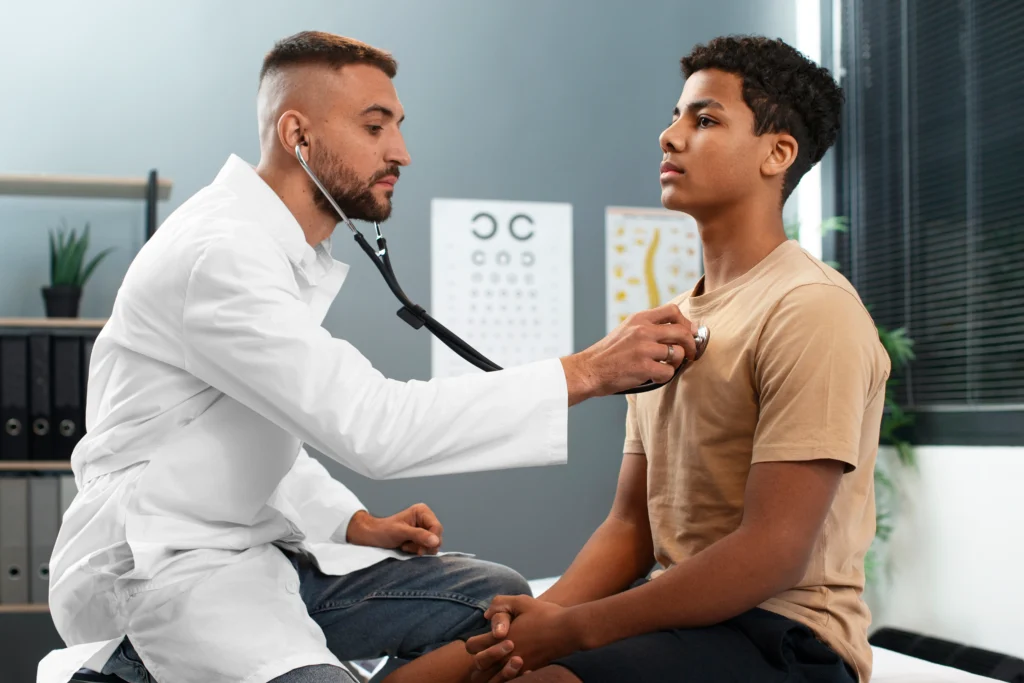
The earlier you get checked, the more control you’ll have over your condition. Don’t wait for things to get worse.
See a doctor if you notice:
- Shortness of breath doing simple tasks – Like walking or talking.
- A persistent cough – Especially if it lasts for weeks or brings up mucus.
- Wheezing or chest tightness – Even when you’re resting.
- Frequent chest infections – Like colds turning into bronchitis.
- Tiredness that doesn’t go away – Even after a full night’s sleep.
- Unexplained weight loss – It could be tied to advanced COPD.
And never self-medicate. Inhaling over-the-counter treatments without a proper diagnosis can do more harm than good.
Treatment Options for COPD
While COPD can’t be cured, it can be managed with the right combination of medical care and lifestyle changes. The goal is to ease your symptoms, improve your quality of life, and slow down the disease.
Your Treatment Plan Will Be Personal
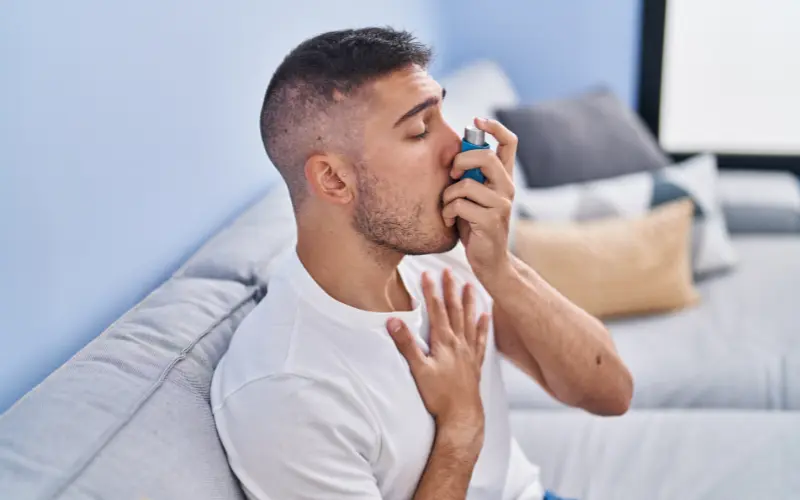
Not every patient needs the same treatment. It depends on how severe your symptoms are and how well your lungs are functioning.
Common treatment options include:
- Inhalers – These help open up your airways and make breathing easier.
- Medications – Bronchodilators and steroids help reduce inflammation and relax lung muscles.
- Pulmonary rehabilitation – A program that includes exercise, breathing training, and education.
- Oxygen therapy – For patients with very low oxygen levels in the blood.
- Vaccinations – Flu and pneumonia shots can prevent infections that worsen COPD.
- Surgery (in severe cases) – Some may need lung volume reduction or even a transplant.
The right treatment can help you breathe better, move more freely, and regain control over your life.
Frequently Asked Questions:
1. Can young people get COPD?
Yes, although it’s more common in people over 40, younger individuals with a history of smoking, long-term exposure to pollutants, or genetic conditions can also develop COPD.
2. What foods are good for COPD?
Foods rich in antioxidants, like leafy greens, berries, nuts, and omega-3s (like fish), can help reduce inflammation. Staying hydrated is also key.
3. Is walking good for people with COPD?
Absolutely. Gentle exercises like walking can improve lung strength and stamina. Just take it slow and follow your doctor’s advice.
4. Can you live a long life with COPD?
Yes, with early diagnosis, the right treatment, and lifestyle changes, many people live long, fulfilling lives even with COPD.
Conclusion
COPD may sound overwhelming, but it doesn’t have to take over your life. The key is awareness knowing the symptoms, avoiding the triggers, and acting early.
We’ve covered everything from what COPD is, to how lifestyle and age play a role, and even how to manage it day-to-day. The good news? There’s a lot you can do to breathe easier and feel better.
Don’t wait until your symptoms become serious. If you’ve been coughing more than usual, feeling breathless, or just unsure get it checked.
At Eden Hospital, our expert pulmonologists are here to help. Whether it’s a diagnosis, treatment plan, or just a consultation, we’re just a call away. Your lungs will thank you later.