Heat Stroke: 7 Urgent Symptoms You Must Know!

Last summer, a young man walked into an emergency ward thinking he was “just dehydrated.”
Thirty minutes later… he collapsed.
That’s the terrifying truth about heat stroke: it doesn’t crash in like a storm; it whispers. A small headache, a sudden wave of dizziness, a strange sense of confusion… tiny signs we brush off because we’re busy, tired, or used to pushing through discomfort.
Most people don’t realize that heat stroke isn’t about how hot it feels outside; it’s about how quickly your body loses its ability to cool down. And when that happens, every minute counts. Your brain, heart, and vital organs begin to struggle, and the damage can escalate faster than anyone expects.
We underestimate heat. We overestimate ourselves. And somewhere in that gap, heat stroke becomes life-threatening.
In this article, I’ll walk you through the 7 urgent symptoms you must know, the hidden triggers that make heat stroke deadly, what actually happens inside the body, the first aid steps that can save a life, and the exact moment when you must seek medical attention, especially if things feel “out of control.” Because understanding these signs early isn’t just helpful…It’s lifesaving.
Why Heat Stroke Is More Dangerous Than You Think
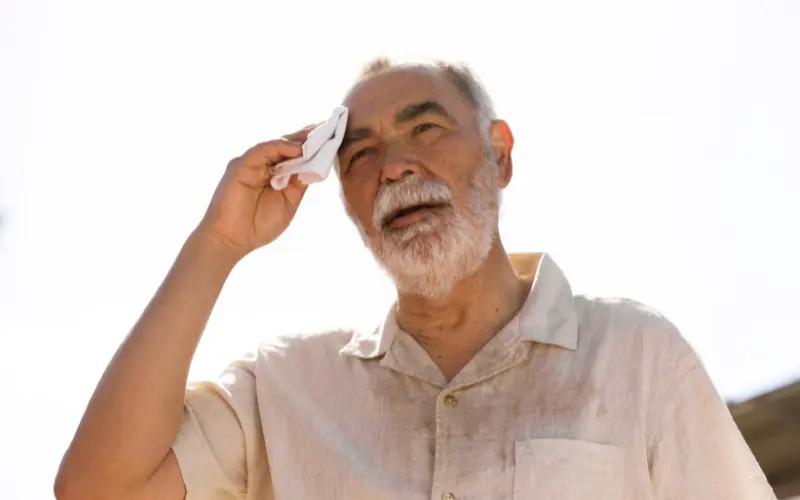
Heat stroke isn’t just about “feeling too hot.” It’s a rapid breakdown of the body’s cooling system, and once that system fails, the damage can escalate faster than most people imagine. What looks like a simple headache or dizziness can turn into an emergency within minutes.
Here’s why heat stroke is far more dangerous than people think:
1. It escalates extremely fast: The shift from mild heat exhaustion to full heat stroke can happen in as little as 10–15 minutes.
2. It shuts down major organs: When the body overheats, the brain, heart, kidneys, and liver start struggling almost immediately.
3. Early signs feel “normal”: Headache, fatigue, and confusion are symptoms that people often blame on lack of sleep or dehydration.
4. Humidity traps heat inside the body: Even moderate temperatures with high humidity can stop sweat from evaporating, making heat stroke more likely.
5. Most people underestimate the risk: We assume we’re “used to heat,” but heat stroke doesn’t care about age, fitness, or experience.
6. Delayed action increases complications: Every minute without proper cooling raises the chances of long-term organ damage.
Heat Exhaustion vs. Heat Stroke (And Why Confusion Is Deadly)
Heat exhaustion and heat stroke often get mixed up, but the difference between them is the difference between discomfort… and a medical emergency. Knowing how to spot the shift can literally save a life.
What Heat Exhaustion Looks Like

Heat exhaustion is your body’s warning signal, the stage where it’s struggling but hasn’t lost control yet. Common signs include:
- Heavy sweating
- Weakness or fatigue
- Muscle cramps
- Dizziness
- Nausea
- Pale, cool, clammy skin
- Fast heartbeat
If addressed quickly (rest, hydration, cooling), this stage is reversible.
When It Crosses the Line Into Heat Stroke
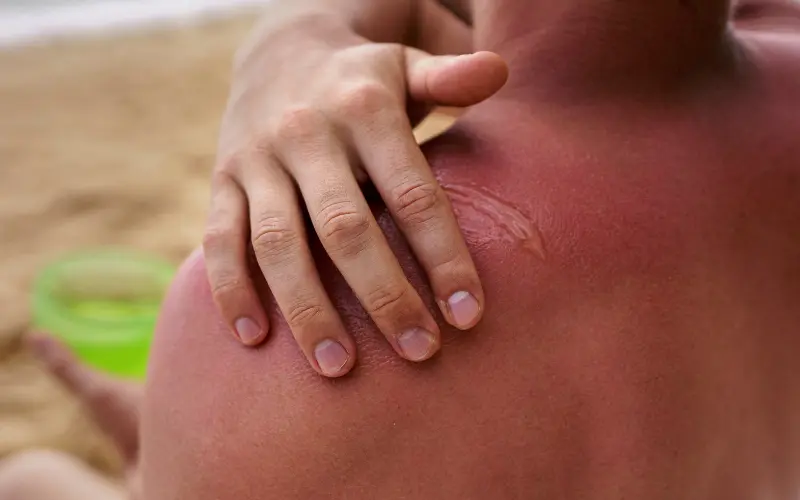
Heat stroke occurs when the body’s thermoregulation fails. This is the danger zone.
Key signs include:
- Body temperature rising above 104°F (40°C)
- Hot, red, or dry skin
- Altered mental state, confusion, irritability, slurred speech
- Seizures
- Rapid breathing
- Loss of consciousness
At this point, the body is overheating internally, and vital organs begin to sustain damage.
Why Reaction Time Determines Survival

The shift from exhaustion to stroke can happen within minutes, especially in high humidity. The faster someone receives cooling and medical care, the higher their chance of recovery.
Delaying care even briefly can lead to:
- Organ failure
- Brain damage
- Permanent disability
- Death
This is why recognizing the difference isn’t optional; it’s critical.
Hidden Risk Factors Nobody Talks About
Heat stroke doesn’t only happen to people working outdoors or exercising in the sun. In many cases, the risk builds quietly due to factors most people never consider. These hidden triggers make the body far more vulnerable to overheating.
Weather, Humidity & the “Feels Like” Trap

It’s not just the temperature, it’s how your body responds to it.
- High humidity prevents sweat from evaporating, trapping heat inside the body.
- A 35°C day with high humidity can feel like 45°C to your body.
- Even moderate heat becomes dangerous when sweat stops cooling you down.
People often check the temperature but ignore the “feels like” index, a major mistake.
Medications & Existing Health Conditions
Certain health conditions silently heighten heat stroke risk:
- Heart disease
- Diabetes
- Kidney issues
- High blood pressure
And some medications make things worse:
- Diuretics
- Antidepressants
- Blood pressure drugs
- Antihistamines
They alter sweating, hydration levels, or body temperature regulation without you realizing it.
High-Risk Age Groups (Kids & Elderly)

Certain age groups struggle more with temperature regulation:
- Kids: Their bodies heat up faster and cool down slower.
- Elderly: Reduced sweating, medications, and weaker thirst signals increase risk.
Even a short time outdoors can overwhelm them.
Lifestyle Triggers Obesity, Alcohol, and Outdoor Work
A few surprising lifestyle factors increase internal heat:
- Obesity: Insulation effect + reduced heat dissipation
- Alcohol: Dehydrates and interferes with thermoregulation
- Outdoor work or exercise: Physical exertion skyrockets body heat
- Dark or tight clothing: Traps heat and reduces airflow
These are the silent amplifiers that push the body closer to danger.
Early Warning Signs People Usually Miss

Heat stroke rarely starts with dramatic symptoms. Instead, it begins with small, familiar discomforts that feel harmless, and that’s exactly why people ignore them. Recognizing these early red flags can stop heat stroke before it becomes life-threatening.
Body Temperature Red Flags
Your body starts overheating long before it reaches extreme levels.
Watch for:
- Sudden rise in body temperature
- Feeling unusually hot even in the shade
- Chills or goosebumps in hot weather (a dangerous sign)
- Excessive or sudden absence of sweating
The moment your body stops sweating, your cooling system is failing.
Cognitive & Behavioral Changes
Heat attacks the brain quickly, and this is where the earliest clues often appear:
- Confusion
- Irritability or mood swings
- Trouble concentrating
- Slurred speech
- Feeling disoriented or “not yourself.”
People often blame these on tiredness, not realizing the brain is overheating.
Skin & Breathing Clues
Your skin and breathing patterns reveal early distress:
- Skin turning red, hot, or dry
- Fast, shallow breathing
- A racing heartbeat
- Sudden weakness or collapse
When the body can’t cool down, everything from circulation to oxygen flow becomes chaotic.
What Really Happens Inside the Body During a Heat Stroke

Heat stroke isn’t just “overheating.” It’s a chain reaction happening deep inside the body, where core systems start failing one after another. Understanding this makes the seriousness hard to ignore.
1. The body loses its cooling power:
Your internal temperature rises beyond 104°F (40°C). Sweat production slows or stops, and the body can’t release heat anymore.
2. The brain overheats first:
Confusion, irritability, slurred speech, or unconsciousness appear because the brain cannot function at high temperatures.
3. Vital organs begin to struggle:
The heart pumps harder, kidneys get strained, and liver functions drop sharply, a dangerous combination that can escalate fast.
4. Proteins and cells start breaking down:
Heat damages tissues the way a fever would, but far more aggressively. This can lead to permanent organ damage if not treated in time.
5. The inflammatory response explodes:
The body enters a state similar to severe infection (SIRS), triggering internal chaos that worsens the condition rapidly.
6. Blood flow gets disrupted:
As the body tries to cool the skin, blood flow to organs decreases, leading to shock-like symptoms.
When all of this happens simultaneously, every minute counts. This is why heat stroke is considered a medical emergency, and immediate cooling plus professional care becomes essential.
When Heat Stroke Becomes Life-Threatening

Heat stroke doesn’t become deadly in hours; it becomes deadly in minutes. Once the body crosses certain thresholds, the risk of irreversible organ damage skyrockets. Here’s what turns a dangerous situation into a life-threatening one.
The “Golden Minutes” Rule
There’s a narrow window where timely cooling can prevent organ failure.
If the body stays above 104°F (40°C) for too long:
- Brain cells start dying
- Heart rhythm becomes unstable
- Kidneys and liver begin shutting down
Acting quickly during these golden minutes can make the difference between full recovery and long-term complications.
What Makes the Situation Worse Instantly
High Humidity: High humidity prevents sweat evaporation, trapping heat inside the body. Even a cooler day becomes dangerous when humidity spikes.
Physical Exertion: Running, working outdoors, playing sports, or carrying heavy loads accelerates heat buildup dramatically.
Wrong First Aid Techniques
Many people unknowingly make heat stroke worse by:
- Pouring ice-cold water directly on the body
- Forcing the person to drink water
- Keeping them standing or trying to walk them
- Delaying help, thinking they’ll “cool down soon.”
These mistakes delay proper cooling and increase stress on the organs.
First Aid for Heat Stroke (The Step-by-Step Protocol Everyone Should Know)

Heat stroke requires immediate action. Waiting for symptoms to “settle on their own” can lead to permanent damage. These steps help stabilize the person until medical help arrives, and they must be done quickly and correctly.
Immediate Do’s
These actions help stabilize the person and start cooling the body instantly.
- Move them to a shaded or cooler environment.
- Lay them down and elevate their legs.
- Start cooling with cool (not ice-cold) water or wet cloths.
- Use a fan or airflow to speed up evaporation.
- Remove or loosen tight, dark, or heavy clothing.
Immediate Don’ts
These common mistakes can worsen heat stroke or delay recovery.
- Don’t give ice-cold water suddenly.
- Don’t apply ice directly to the skin.
- Don’t force the person to drink if they’re semi-conscious.
- Don’t make them walk or continue the activity.
- Don’t wait to see if symptoms go away on their own.
How to Cool the Body the Right Way
Focus on safe, controlled cooling to lower internal temperature effectively.
- Apply cool, damp cloths to the neck, armpits, groin, and back.
- Spray or sprinkle cool water while using a fan.
- Use cool packs wrapped in cloth on pulse points.
- Give small sips of water only if they’re fully alert.
- Keep monitoring breathing, skin color, and responsiveness.
When You Must Seek Medical Attention: No Delays

Heat stroke is a medical emergency, and knowing exactly when to get professional help can save a life. If symptoms reach this stage, home remedies are no longer enough; the body needs urgent medical intervention to prevent organ failure.
Red Flags That Require Emergency Care
If you notice these symptoms, seek medical attention immediately.
- Body temperature above 104°F (40°C)
- Confusion, irritability, or altered behavior
- Seizures or twitching
- Difficulty breathing or very fast breathing
- Hot, red, or dry skin with little or no sweating
- Unconsciousness or inability to stay awake
What Happens If You Wait Too Long
Delaying treatment can lead to severe complications.
- Permanent brain or nerve damage
- Heart rhythm issues
- Liver or kidney failure
- Muscle breakdown (rhabdomyolysis)
- Increased risk of coma
- Death in severe cases
Heat Stroke Prevention Tips for Everyday Life
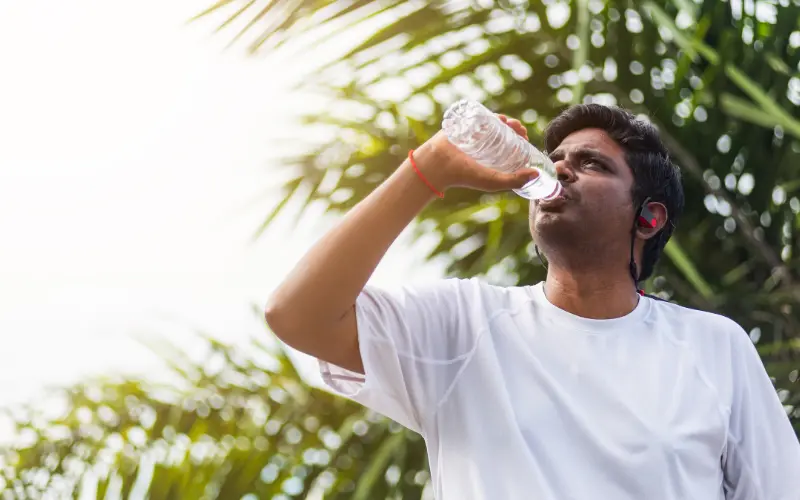
Preventing heat stroke is much easier than treating it. Simple daily habits can dramatically lower your risk, especially during heatwaves when the body is under more stress than you realize. These practical tips help you stay safe, cool, and hydrated throughout summer.
Hydration Rules Most People Forget
Hydration works best when done consistently and correctly.
- Drink water in small, regular sips throughout the day.
- Increase fluid intake on humid or high-activity days.
- Add ORS or electrolyte drinks when sweating heavily.
- Limit alcohol and caffeine because they dehydrate the body.
Clothing, Shade & Sun Timing
What you wear and when you step out directly affect heat buildup.
- Choose light-colored, loose-fitting, breathable fabrics.
- Avoid going out between 12 pm and 4 pm.
- Use hats, umbrellas, or shade whenever possible.
- Prefer cotton or moisture-wicking materials to help sweat evaporate.
Heatwave Safety Routine
Heatwaves require additional precautions to reduce your risk.
- Keep rooms ventilated or use fans for airflow.
- Pre-hydrate before outdoor activities.
- Take frequent breaks when working or exercising outside.
- Never leave kids, the elderly, or pets in parked cars, even briefly.
Smart Summer Habits for Kids & Seniors
These vulnerable groups need extra monitoring and care.
- Encourage children to drink water regularly while playing.
- Keep seniors indoors during peak heat hours.
- Offer hydrating fruits like watermelon or cucumber.
- Watch for early signs of fatigue, irritability, or dizziness.
Mistakes People Make That Make Heat Stroke Worse

Many people unknowingly worsen heat stroke by reacting instinctively instead of correctly. These common mistakes delay cooling, increase stress on vital organs, and make the condition far more dangerous than it already is.
Using Ice or Ice-Cold Water Directly
Extreme cold shocks the body and slows down heat release.
- Causes blood vessels to constrict
- Reduces the body’s ability to cool naturally
- Increases the risk of complications
Pushing Through Heat Instead of Stopping
Ignoring early symptoms accelerates the shift into full heat stroke.
- Continuing work or activity raises internal temperature
- Fatigue masks warning signs
- Leads to sudden collapse or confusion
Delaying Medical Help
Waiting “a few minutes” can turn manageable symptoms into an emergency.
- Heat stroke worsens with every passing minute
- Organ damage becomes harder to reverse
- Home remedies cannot save someone in severe heat stroke
Drinking Alcohol or Energy Drinks in Heat
These beverages worsen dehydration and strain the heart.
- Alcohol blocks the body’s cooling response
- Energy drinks can spike heart rate
- Both increase the risk of overheating
Staying in Tight, Dark, or Heavy Clothing
These fabrics trap heat and prevent evaporation.
- Increases body temperature faster
- Reduces airflow
- Makes cooling efforts less effective
Frequently Asked Questions
1. What temperature causes heat stroke?
Heat stroke typically occurs when the body temperature rises above 104°F (40°C) due to prolonged heat exposure or intense physical activity.
2. Can heat stroke happen indoors?
Yes. Poor ventilation, high humidity, and lack of cooling can cause heat stroke even inside homes, gyms, or closed rooms during heatwaves.
3. How fast does heat stroke progress?
It can escalate within 10–15 minutes once the body’s cooling mechanism fails, making quick action critical.
4. Is heat stroke reversible?
Yes, but only with rapid cooling and immediate medical care. Delays increase the risk of permanent organ damage.
5. Can a healthy person get heat stroke?
Absolutely. Heat stroke can affect athletes, outdoor workers, children, or anyone exposed to high heat, humidity, or intense activity, regardless of fitness level.
6. When should I seek medical help?
Seek immediate medical attention if there is confusion, unconsciousness, extremely hot skin, no sweating, seizures, or if symptoms feel out of control.
Conclusion
Heat stroke isn’t just a “summer problem”; it’s a serious medical emergency that can escalate within minutes if early signs are ignored. The symptoms often look harmless at first, which is why so many people fail to take action when it matters most. But with the right awareness, timely first aid, and smart prevention habits, heat stroke is entirely avoidable.
Staying hydrated, avoiding peak heat hours, recognizing early red flags, and acting immediately during emergencies can make all the difference. And when symptoms feel severe, confusing, or out of control, professional medical help becomes crucial.
Your health is never worth the risk, especially when the warning signs are clear. If symptoms feel out of control, consult a doctor at Eden Hospital immediately. Timely care can prevent long-term damage and greatly improve recovery.